Like our work? Book a 30 min intro call with us.
Like our work? Book a 30 min intro call with us.
Like our work? Book a 30 min intro call with us.
Like our work? Book a 30 min intro call with us.
Like our work? Book a 30 min intro call with us.
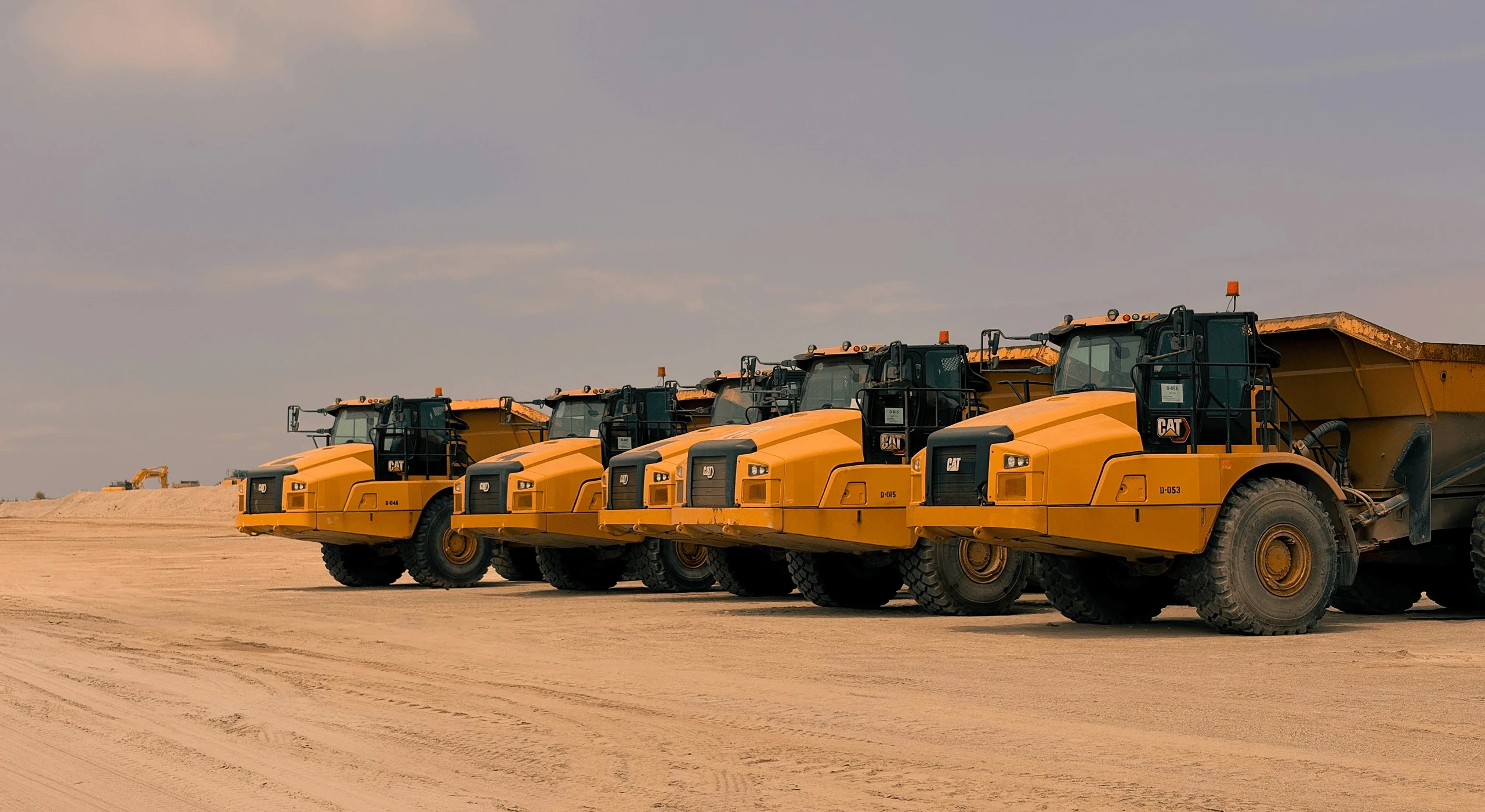
Digital Transformation for Logistics Operations
Improve Reliability and Modernise Logistics Operations
We deliver digital transformation for logistics operations by connecting fragmented processes into cleaner, faster, more scalable workflows. Whether your teams are chasing shipment updates across email, re-entering data between platforms, or relying on spreadsheets to bridge operational gaps, across freight forwarding, warehouse, carrier, customs, 3PL/4PL, and equipment rental workflows.

Logistics Businesses We Serve
Asset Rental Operators
3PL and 4PL Operators
Freight Forwarders
Carrier and Courier Operators
Warehouse Operators
Expertise We Offer to Transform Logistics Operations
We combine integration, automation, ERP improvement, AI, and modernisation to help logistics teams reduce admin load, improve flow, and create better operational control where it matters most.


Connect the systems your teams already rely on so data moves once, stays consistent, and supports decisions across the workflow.
Connect TMS, ERP, WMS, finance tools, customer portals, and internal applications
Reduce duplicate entry and disconnected records across operational teams
Improve data flow between shipment execution, reporting, and billing
Create a more reliable operational source of truth
Support visibility across functions without forcing a full platform replacement
Remove repetitive admin tasks from the daily flow of logistics operations so teams can work faster with fewer manual touchpoints.
Automate repetitive status updates and internal workflow triggers
Reduce manual approvals, repetitive data handling, and task chasing
Standardise high-volume operational workflows
Improve consistency across teams, customers, and partners
Free up operations capacity without adding unnecessary process overhead
Strengthen the link between operations, finance, inventory, and reporting so decision-makers have cleaner visibility across the business.
Improve flow between frontline logistics activity and back-office systems
Reduce gaps between operational delivery and financial control
Support more reliable reporting and process governance
Create better structure for growth, standardisation, and accountability
Build a stronger foundation for integrated digital operations
Apply AI where it helps real logistics work move faster, cleaner, and with less manual effort rather than adding complexity for its own sake.
Extract and structure data from freight and customs documents
Support faster handling of document-heavy operational steps
Improve exception triage and decision support
Reduce manual document processing across shipments and trade workflows
Create better inputs for reporting, workflow automation, and compliance checks
Modernise critical systems and workflows in stages so you can improve operations without destabilising day-to-day execution.
Extend the value of core systems already embedded in the business
Reduce fragile manual workarounds built around old platforms
Improve integration, maintainability, and operational flexibility
Support phased transformation instead of disruptive replacement
Build a cleaner long-term architecture for scale
Logistics Projects We have Delivered
What Our Clients Say about Working with Us
We used to manage bookings, equipment availability and billing across spreadsheets and manual records. Rosnium brought everything into one system, making our day-to-day operations much easier to manage. We now spend less time on administration and have far better visibility over our inventory. The team understood how our business worked, communicated clearly throughout the project and continues to support the platform as we grow.
Founder & Owner
Delivery Models Designed around Your Live Operations
We work in stages that make change easier to evaluate, approve, and implement inside active logistics environments where disruption carries real operational cost.
Transformation Consulting
We assess your current processes, systems, data, risks and strategic objectives, then create a prioritised roadmap for transformation. You receive a clear view of the current state, target architecture, priority opportunities, delivery phases, dependencies and expected business outcomes.
Strategy
Assessment
Roadmap
Pilot Validation Sprint
Test a focused use case before committing to a larger transformation programme. We help you select a high-value opportunity, define success measures and deliver a working pilot that demonstrates feasibility, usability, security and commercial potential.
Feasibility
Prototype
Risk-Reduction
Phased Delivery
We develop new platforms and capabilities incrementally, prioritising early value while maintaining a clear long-term architecture. Each phase produces usable functionality, measurable learning and a controlled path towards the next stage of transformation.
Delivery
Risk-Staged
Incremental-Value
Managed Support
Continue improving, monitoring and securing your systems after initial delivery. We provide technical support, performance optimisation, security improvements, user feedback cycles, enhancements and further automation as your organisation evolves.
Support
SLA
Continuous Improvement
Ready to Explore the Right Starting Point?
Ready to Explore the Right Starting Point?
Ready to Explore the Right Starting Point?
Ready to Explore the Right Starting Point?
Ready to Explore the Right Starting Point?
Why Logistics Operators Choose Rosnium
We work with the reality operations teams deal with every day: fragmented systems, documentation pressure, live service delivery, and the need to improve without introducing unnecessary risk.
"/><stop offset="1" stop-color="rgb(34, 48, 94)"/></linearGradient><linearGradient id="dTuoRtULP-893103603-linear-gradient" x1="0" x2="1" y1="0.4975124378109453" y2="0.5024875621890547"><stop offset="0" stop-color="rgb(139, 192, 87)"/><stop offset="1" stop-color="rgb(45, 117, 49)"/></linearGradient><linearGradient id="pB3yOx8uR-893103603-linear-gradient" x1="0" x2="1" y1="0.4975124378109453" y2="0.5024875621890547"><stop offset="0" stop-color="rgb(112, 198, 240)"/><stop offset="1" stop-color="rgb(31, 101, 168)"/></linearGradient></defs><g d="M 37.462 0 C 58.139 0 74.925 16.786 74.925 37.462 L 74.925 85.736 C 74.925 87.997 73.088 89.834 70.827 89.834 L 4.098 89.834 C 1.836 89.834 0 87.997 0 85.736 L 0 37.462 C 0 16.786 16.786 0 37.462 0 Z M 14.081 44.664 C 14.081 44.664 14.155 55.297 25.607 66.749 L 32.102 44.664 C 32.102 44.664 28.922 49.467 23.375 49.467 C 17.827 49.467 14.081 44.664 14.081 44.664 Z M 8.627 25.815 L 8.627 18.36 L 13.627 18.36 L 13.627 19.622 L 9.989 19.622 L 9.989 21.274 L 13.374 21.274 L 13.374 22.53 L 9.989 22.53 L 9.989 24.559 L 13.756 24.559 L 13.756 25.815 L 8.627 25.815 Z M 14.566 23.389 L 15.891 23.247 C 15.971 23.738 16.133 24.1 16.376 24.33 C 16.62 24.56 16.949 24.676 17.363 24.676 C 17.801 24.676 18.132 24.573 18.354 24.368 C 18.577 24.163 18.688 23.923 18.688 23.649 C 18.688 23.473 18.641 23.322 18.547 23.199 C 18.454 23.075 18.29 22.967 18.058 22.876 C 17.898 22.815 17.535 22.706 16.967 22.55 C 16.237 22.35 15.725 22.105 15.431 21.813 C 15.017 21.403 14.81 20.903 14.81 20.313 C 14.81 19.933 14.907 19.578 15.102 19.248 C 15.297 18.917 15.577 18.666 15.944 18.493 C 16.31 18.32 16.753 18.233 17.271 18.233 C 18.117 18.233 18.754 18.439 19.182 18.849 C 19.61 19.259 19.834 19.806 19.856 20.491 L 18.494 20.557 C 18.436 20.174 18.311 19.899 18.12 19.731 C 17.928 19.563 17.64 19.479 17.257 19.479 C 16.862 19.479 16.552 19.569 16.328 19.749 C 16.184 19.864 16.112 20.018 16.112 20.211 C 16.112 20.388 16.179 20.538 16.314 20.664 C 16.486 20.823 16.903 20.989 17.565 21.162 C 18.228 21.335 18.717 21.514 19.035 21.699 C 19.352 21.883 19.601 22.136 19.78 22.456 C 19.959 22.777 20.049 23.172 20.049 23.644 C 20.051 24.065 19.939 24.479 19.727 24.844 C 19.512 25.216 19.209 25.494 18.816 25.675 C 18.424 25.856 17.935 25.947 17.349 25.947 C 16.497 25.947 15.842 25.729 15.385 25.294 C 14.928 24.858 14.655 24.223 14.566 23.389 Z M 20.662 23.389 L 21.987 23.247 C 22.066 23.738 22.228 24.1 22.472 24.33 C 22.716 24.56 23.045 24.676 23.458 24.676 C 23.897 24.676 24.227 24.573 24.45 24.368 C 24.672 24.163 24.783 23.923 24.783 23.649 C 24.783 23.473 24.736 23.322 24.643 23.199 C 24.549 23.075 24.386 22.967 24.153 22.876 C 23.994 22.815 23.63 22.706 23.063 22.55 C 22.333 22.35 21.821 22.105 21.527 21.813 C 21.113 21.403 20.906 20.903 20.906 20.313 C 20.906 19.933 21.003 19.578 21.198 19.248 C 21.393 18.917 21.673 18.666 22.039 18.493 C 22.406 18.32 22.848 18.233 23.366 18.233 C 24.213 18.233 24.85 18.439 25.278 18.849 C 25.705 19.259 25.93 19.806 25.951 20.491 L 24.59 20.557 C 24.532 20.174 24.407 19.899 24.215 19.731 C 24.023 19.563 23.736 19.479 23.353 19.479 C 22.957 19.479 22.647 19.569 22.423 19.749 C 22.279 19.864 22.207 20.018 22.207 20.211 C 22.207 20.388 22.275 20.538 22.41 20.664 C 22.581 20.823 22.999 20.989 23.661 21.162 C 24.323 21.335 24.813 21.514 25.13 21.699 C 25.448 21.883 25.696 22.136 25.876 22.456 C 26.055 22.777 26.145 23.172 26.145 23.644 C 26.146 24.065 26.035 24.479 25.823 24.844 C 25.608 25.216 25.304 25.494 24.912 25.675 C 24.519 25.856 24.03 25.947 23.445 25.947 C 22.592 25.947 21.937 25.729 21.481 25.294 C 21.024 24.858 20.751 24.223 20.662 23.389 Z M 27.103 25.815 L 27.103 18.36 L 32.102 18.36 L 32.102 19.622 L 28.464 19.622 L 28.464 21.274 L 31.849 21.274 L 31.849 22.53 L 28.464 22.53 L 28.464 24.559 L 32.231 24.559 L 32.231 25.815 Z M 33.4 25.815 L 33.4 18.36 L 34.725 18.36 L 37.485 23.338 L 37.485 18.361 L 38.75 18.361 L 38.75 25.815 L 37.384 25.815 L 34.665 20.954 L 34.665 25.815 L 33.4 25.815 Z M 41.897 25.815 L 41.897 19.622 L 39.896 19.622 L 39.896 18.36 L 45.254 18.36 L 45.254 19.622 L 43.258 19.622 L 43.258 25.815 Z M 46.281 25.815 L 46.281 18.36 L 47.642 18.36 L 47.642 25.815 Z M 55.209 25.815 L 53.728 25.815 L 53.139 24.122 L 50.443 24.122 L 49.887 25.815 L 48.443 25.815 L 51.069 18.36 L 52.509 18.36 Z M 52.702 22.866 L 51.773 20.1 L 50.862 22.866 Z M 55.969 25.815 L 55.969 18.422 L 57.33 18.422 L 57.33 24.559 L 60.715 24.559 L 60.715 25.815 Z M 61.342 23.389 L 62.667 23.247 C 62.746 23.738 62.908 24.1 63.152 24.33 C 63.396 24.56 63.725 24.676 64.138 24.676 C 64.577 24.676 64.908 24.573 65.13 24.368 C 65.352 24.163 65.463 23.923 65.463 23.649 C 65.463 23.473 65.417 23.322 65.323 23.199 C 65.229 23.075 65.066 22.967 64.833 22.876 C 64.674 22.815 64.31 22.706 63.743 22.55 C 63.013 22.35 62.501 22.105 62.207 21.813 C 61.793 21.403 61.586 20.903 61.586 20.313 C 61.586 19.933 61.683 19.578 61.878 19.248 C 62.073 18.917 62.353 18.666 62.72 18.493 C 63.086 18.32 63.528 18.233 64.047 18.233 C 64.893 18.233 65.53 18.439 65.958 18.849 C 66.386 19.259 66.61 19.806 66.632 20.491 L 65.27 20.557 C 65.212 20.174 65.087 19.899 64.895 19.731 C 64.703 19.563 64.416 19.479 64.033 19.479 C 63.637 19.479 63.327 19.569 63.104 19.749 C 62.96 19.864 62.888 20.018 62.888 20.211 C 62.888 20.388 62.955 20.538 63.09 20.664 C 63.261 20.823 63.679 20.989 64.341 21.162 C 65.003 21.335 65.493 21.514 65.81 21.699 C 66.128 21.883 66.376 22.136 66.556 22.456 C 66.735 22.777 66.825 23.172 66.825 23.644 C 66.826 24.065 66.715 24.479 66.503 24.844 C 66.288 25.216 65.985 25.494 65.592 25.675 C 65.2 25.856 64.71 25.947 64.125 25.947 C 63.272 25.947 62.618 25.729 62.161 25.294 C 61.704 24.858 61.431 24.223 61.342 23.389 Z M 26.069 14.007 L 27.389 14.47 C 27.186 15.283 26.85 15.888 26.379 16.283 C 25.908 16.678 25.311 16.875 24.587 16.875 C 23.692 16.875 22.956 16.537 22.38 15.86 C 21.803 15.184 21.515 14.26 21.515 13.087 C 21.515 11.846 21.805 10.883 22.384 10.196 C 22.964 9.51 23.726 9.166 24.67 9.166 C 25.495 9.166 26.165 9.436 26.68 9.975 C 26.987 10.294 27.217 10.751 27.37 11.348 L 26.022 11.704 C 25.943 11.317 25.776 11.012 25.524 10.789 C 25.271 10.565 24.963 10.453 24.601 10.453 C 24.101 10.453 23.696 10.651 23.385 11.048 C 23.073 11.444 22.918 12.087 22.918 12.975 C 22.918 13.917 23.071 14.589 23.378 14.989 C 23.684 15.389 24.083 15.589 24.574 15.589 C 24.936 15.589 25.247 15.461 25.507 15.207 C 25.768 14.953 25.955 14.553 26.069 14.007 Z M 30.329 16.748 L 30.329 13.611 L 27.859 9.294 L 29.455 9.294 L 31.042 12.243 L 32.596 9.294 L 34.165 9.294 L 31.686 13.621 L 31.686 16.748 Z M 34.847 9.294 L 37.542 9.294 C 38.076 9.294 38.473 9.318 38.735 9.367 C 38.998 9.416 39.232 9.519 39.439 9.675 C 39.646 9.831 39.819 10.039 39.957 10.298 C 40.095 10.557 40.164 10.848 40.164 11.17 C 40.164 11.519 40.079 11.839 39.909 12.131 C 39.738 12.423 39.507 12.641 39.216 12.787 C 39.627 12.919 39.943 13.144 40.164 13.463 C 40.385 13.782 40.495 14.156 40.495 14.587 C 40.495 14.926 40.424 15.255 40.281 15.576 C 40.139 15.896 39.944 16.152 39.697 16.344 C 39.45 16.535 39.146 16.653 38.784 16.697 C 38.557 16.724 38.009 16.741 37.142 16.748 L 34.847 16.748 Z M 36.208 10.535 L 36.208 12.258 L 37.101 12.258 C 37.631 12.258 37.961 12.25 38.089 12.233 C 38.323 12.202 38.506 12.113 38.639 11.966 C 38.773 11.819 38.839 11.624 38.839 11.384 C 38.839 11.153 38.782 10.966 38.667 10.822 C 38.552 10.678 38.381 10.59 38.154 10.56 C 38.019 10.543 37.631 10.535 36.99 10.535 Z M 36.208 13.499 L 36.208 15.492 L 37.469 15.492 C 37.959 15.492 38.27 15.477 38.402 15.447 C 38.605 15.406 38.769 15.307 38.897 15.149 C 39.024 14.992 39.088 14.781 39.088 14.516 C 39.088 14.292 39.038 14.103 38.94 13.947 C 38.842 13.791 38.7 13.677 38.515 13.606 C 38.329 13.535 37.927 13.499 37.308 13.499 Z M 41.646 16.748 L 41.646 9.294 L 46.646 9.294 L 46.646 10.555 L 43.007 10.555 L 43.007 12.207 L 46.392 12.207 L 46.392 13.463 L 43.007 13.463 L 43.007 15.492 L 46.774 15.492 L 46.774 16.748 L 41.646 16.748 Z M 47.934 16.748 L 47.934 9.294 L 50.8 9.294 C 51.521 9.294 52.044 9.361 52.371 9.494 C 52.697 9.628 52.959 9.866 53.155 10.209 C 53.351 10.551 53.449 10.943 53.449 11.383 C 53.449 11.943 53.301 12.405 53.003 12.769 C 52.706 13.133 52.261 13.363 51.669 13.458 C 51.964 13.648 52.207 13.856 52.398 14.083 C 52.59 14.311 52.848 14.714 53.173 15.294 L 53.997 16.748 L 52.368 16.748 L 51.384 15.126 C 51.034 14.546 50.795 14.181 50.667 14.03 C 50.538 13.879 50.401 13.776 50.257 13.72 C 50.113 13.664 49.885 13.636 49.572 13.636 L 49.296 13.636 L 49.296 16.748 Z M 49.296 12.446 L 50.303 12.446 C 50.957 12.446 51.364 12.416 51.527 12.355 C 51.689 12.294 51.817 12.189 51.909 12.04 C 52 11.89 52.047 11.704 52.047 11.48 C 52.047 11.229 51.986 11.027 51.865 10.873 C 51.744 10.718 51.573 10.621 51.352 10.58 C 51.242 10.563 50.911 10.555 50.359 10.555 L 49.296 10.555 Z M 16.004 78.524 L 17.324 78.987 C 17.121 79.801 16.785 80.405 16.314 80.8 C 15.843 81.195 15.246 81.392 14.522 81.392 C 13.627 81.392 12.891 81.054 12.315 80.378 C 11.738 79.701 11.45 78.777 11.45 77.604 C 11.45 76.363 11.74 75.4 12.319 74.713 C 12.899 74.027 13.661 73.684 14.605 73.684 C 15.43 73.684 16.1 73.953 16.615 74.492 C 16.922 74.811 17.152 75.268 17.305 75.865 L 15.957 76.221 C 15.878 75.835 15.711 75.529 15.459 75.306 C 15.206 75.082 14.898 74.97 14.536 74.97 C 14.036 74.97 13.631 75.168 13.32 75.565 C 13.008 75.962 12.853 76.604 12.853 77.492 C 12.853 78.434 13.006 79.106 13.313 79.506 C 13.619 79.906 14.018 80.106 14.508 80.106 C 14.87 80.106 15.182 79.978 15.442 79.724 C 15.703 79.47 15.89 79.07 16.003 78.524 Z M 18.493 81.265 L 18.493 73.811 L 23.493 73.811 L 23.493 75.072 L 19.854 75.072 L 19.854 76.724 L 23.24 76.724 L 23.24 77.98 L 19.854 77.98 L 19.854 80.009 L 23.622 80.009 L 23.622 81.265 L 18.493 81.265 Z M 25.158 81.265 L 25.158 73.811 L 28.024 73.811 C 28.745 73.811 29.268 73.878 29.595 74.012 C 29.921 74.146 30.183 74.384 30.379 74.726 C 30.575 75.069 30.673 75.46 30.673 75.901 C 30.673 76.46 30.525 76.922 30.227 77.286 C 29.93 77.651 29.485 77.88 28.893 77.975 C 29.188 78.165 29.431 78.374 29.622 78.601 C 29.814 78.828 30.072 79.231 30.397 79.811 L 31.221 81.265 L 29.593 81.265 L 28.608 79.643 C 28.258 79.063 28.019 78.698 27.891 78.547 C 27.762 78.396 27.625 78.293 27.481 78.237 C 27.337 78.181 27.109 78.153 26.796 78.153 L 26.52 78.153 L 26.52 81.265 Z M 26.52 76.964 L 27.527 76.964 C 28.18 76.964 28.588 76.933 28.751 76.872 C 28.913 76.811 29.041 76.706 29.133 76.557 C 29.225 76.408 29.271 76.221 29.271 75.998 C 29.271 75.747 29.21 75.544 29.089 75.39 C 28.968 75.236 28.797 75.138 28.576 75.098 C 28.466 75.08 28.134 75.072 27.583 75.072 L 26.52 75.072 Z M 33.852 81.265 L 33.852 75.072 L 31.851 75.072 L 31.851 73.811 L 37.21 73.811 L 37.21 75.072 L 35.214 75.072 L 35.214 81.265 L 33.852 81.265 Z M 38.613 81.265 L 38.613 73.811 L 39.975 73.811 L 39.975 81.265 Z M 41.847 81.265 L 41.847 73.811 L 46.469 73.811 L 46.469 75.072 L 43.208 75.072 L 43.208 76.836 L 46.023 76.836 L 46.023 78.097 L 43.208 78.097 L 43.208 81.265 Z M 47.74 81.265 L 47.74 73.811 L 49.101 73.811 L 49.101 81.265 Z M 50.964 81.265 L 50.964 73.811 L 55.964 73.811 L 55.964 75.072 L 52.325 75.072 L 52.325 76.724 L 55.711 76.724 L 55.711 77.98 L 52.325 77.98 L 52.325 80.009 L 56.092 80.009 L 56.092 81.265 L 50.964 81.265 Z M 57.62 73.811 L 60.109 73.811 C 60.67 73.811 61.097 73.858 61.392 73.953 C 61.787 74.082 62.126 74.311 62.408 74.64 C 62.69 74.969 62.905 75.371 63.052 75.847 C 63.199 76.324 63.273 76.911 63.273 77.609 C 63.273 78.223 63.204 78.752 63.066 79.195 C 62.897 79.738 62.657 80.177 62.344 80.513 C 62.108 80.767 61.789 80.965 61.387 81.107 C 61.087 81.213 60.685 81.265 60.182 81.265 L 57.62 81.265 Z M 58.982 75.072 L 58.982 80.009 L 59.998 80.009 C 60.378 80.009 60.653 79.986 60.822 79.938 C 61.042 79.877 61.226 79.774 61.371 79.628 C 61.517 79.482 61.636 79.242 61.728 78.908 C 61.82 78.575 61.866 78.119 61.866 77.543 C 61.866 76.967 61.82 76.525 61.728 76.216 C 61.636 75.908 61.507 75.667 61.341 75.494 C 61.176 75.321 60.966 75.204 60.711 75.143 C 60.521 75.096 60.149 75.072 59.593 75.072 Z M 62.462 35.874 C 58.678 30.597 54.948 29.417 51.701 29.417 C 48.454 29.417 40.538 32.153 32.149 44.669 C 23.76 57.185 25.654 66.754 25.654 66.754 C 25.654 66.754 29.172 55.087 42.094 44.669 C 55.016 34.25 62.462 35.874 62.462 35.874 Z" fill="transparent" height="89.83390778465946px" id="gHO2qvHzk" width="74.92472675066165px"><path d="M 37.462 0 C 58.139 0 74.925 16.786 74.925 37.462 L 74.925 85.736 C 74.925 87.997 73.088 89.834 70.827 89.834 L 4.098 89.834 C 1.836 89.834 0 87.997 0 85.736 L 0 37.462 C 0 16.786 16.786 0 37.462 0 Z" fill="url(%23UgIzDn9dD-893103603-linear-gradient)" height="89.83390778465946px" id="UgIzDn9dD" width="74.92472675066165px"/><path d="M 0 0 C 0 0 0.074 10.633 11.526 22.085 L 18.021 0 C 18.021 0 14.841 4.804 9.294 4.804 C 3.746 4.804 0 0 0 0 Z" fill="url(%23dTuoRtULP-893103603-linear-gradient)" height="22.08540597771662px" id="dTuoRtULP" transform="translate(14.081 44.664)" width="18.021160783836194px"/><path d="M 0 16.648 L 0 9.194 L 5 9.194 L 5 10.455 L 1.362 10.455 L 1.362 12.108 L 4.747 12.108 L 4.747 13.364 L 1.362 13.364 L 1.362 15.392 L 5.129 15.392 L 5.129 16.648 L 0 16.648 Z M 5.939 14.223 L 7.264 14.081 C 7.344 14.572 7.505 14.933 7.749 15.163 C 7.993 15.394 8.322 15.509 8.736 15.509 C 9.174 15.509 9.505 15.407 9.727 15.202 C 9.949 14.997 10.06 14.757 10.06 14.482 C 10.06 14.306 10.014 14.156 9.92 14.032 C 9.827 13.908 9.663 13.801 9.43 13.709 C 9.271 13.648 8.907 13.54 8.34 13.384 C 7.61 13.184 7.098 12.938 6.804 12.647 C 6.39 12.237 6.183 11.736 6.183 11.147 C 6.183 10.767 6.28 10.412 6.475 10.081 C 6.67 9.751 6.95 9.499 7.317 9.326 C 7.683 9.153 8.126 9.067 8.644 9.067 C 9.49 9.067 10.127 9.272 10.555 9.682 C 10.983 10.093 11.207 10.64 11.229 11.325 L 9.867 11.391 C 9.809 11.008 9.684 10.732 9.492 10.564 C 9.301 10.397 9.013 10.313 8.63 10.313 C 8.234 10.313 7.925 10.403 7.701 10.582 C 7.557 10.697 7.485 10.852 7.485 11.045 C 7.485 11.221 7.552 11.372 7.687 11.497 C 7.859 11.657 8.276 11.823 8.938 11.996 C 9.601 12.169 10.09 12.347 10.408 12.532 C 10.725 12.717 10.974 12.969 11.153 13.29 C 11.332 13.61 11.422 14.006 11.422 14.477 C 11.424 14.899 11.312 15.313 11.1 15.677 C 10.885 16.05 10.582 16.327 10.189 16.508 C 9.797 16.69 9.308 16.78 8.722 16.78 C 7.869 16.78 7.215 16.563 6.758 16.127 C 6.301 15.692 6.028 15.057 5.939 14.223 Z M 12.035 14.223 L 13.359 14.081 C 13.439 14.572 13.601 14.933 13.845 15.163 C 14.089 15.394 14.417 15.509 14.831 15.509 C 15.27 15.509 15.6 15.407 15.823 15.202 C 16.045 14.997 16.156 14.757 16.156 14.482 C 16.156 14.306 16.109 14.156 16.016 14.032 C 15.922 13.908 15.759 13.801 15.526 13.709 C 15.366 13.648 15.003 13.54 14.436 13.384 C 13.706 13.184 13.194 12.938 12.899 12.647 C 12.486 12.237 12.279 11.736 12.279 11.147 C 12.279 10.767 12.376 10.412 12.571 10.081 C 12.765 9.751 13.046 9.499 13.412 9.326 C 13.779 9.153 14.221 9.067 14.739 9.067 C 15.586 9.067 16.223 9.272 16.65 9.682 C 17.078 10.093 17.303 10.64 17.324 11.325 L 15.963 11.391 C 15.905 11.008 15.78 10.732 15.588 10.564 C 15.396 10.397 15.109 10.313 14.725 10.313 C 14.33 10.313 14.02 10.403 13.796 10.582 C 13.652 10.697 13.58 10.852 13.58 11.045 C 13.58 11.221 13.648 11.372 13.783 11.497 C 13.954 11.657 14.371 11.823 15.034 11.996 C 15.696 12.169 16.186 12.347 16.503 12.532 C 16.821 12.717 17.069 12.969 17.249 13.29 C 17.428 13.61 17.518 14.006 17.518 14.477 C 17.519 14.899 17.408 15.313 17.195 15.677 C 16.981 16.05 16.677 16.327 16.285 16.508 C 15.892 16.69 15.403 16.78 14.818 16.78 C 13.965 16.78 13.31 16.563 12.853 16.127 C 12.397 15.692 12.124 15.057 12.035 14.223 Z M 18.475 16.648 L 18.475 9.194 L 23.475 9.194 L 23.475 10.455 L 19.837 10.455 L 19.837 12.108 L 23.222 12.108 L 23.222 13.364 L 19.837 13.364 L 19.837 15.392 L 23.604 15.392 L 23.604 16.648 Z M 24.773 16.648 L 24.773 9.194 L 26.098 9.194 L 28.858 14.172 L 28.858 9.194 L 30.123 9.194 L 30.123 16.648 L 28.756 16.648 L 26.038 11.787 L 26.038 16.648 L 24.773 16.648 Z M 33.269 16.648 L 33.269 10.455 L 31.269 10.455 L 31.269 9.194 L 36.627 9.194 L 36.627 10.455 L 34.631 10.455 L 34.631 16.648 Z M 37.654 16.648 L 37.654 9.194 L 39.015 9.194 L 39.015 16.648 Z M 46.582 16.648 L 45.1 16.648 L 44.512 14.955 L 41.816 14.955 L 41.26 16.648 L 39.815 16.648 L 42.442 9.194 L 43.882 9.194 Z M 44.075 13.7 L 43.146 10.933 L 42.235 13.7 Z M 47.342 16.648 L 47.342 9.255 L 48.703 9.255 L 48.703 15.392 L 52.088 15.392 L 52.088 16.648 Z M 52.715 14.223 L 54.04 14.081 C 54.119 14.572 54.281 14.933 54.525 15.163 C 54.769 15.394 55.097 15.509 55.511 15.509 C 55.95 15.509 56.28 15.407 56.503 15.202 C 56.725 14.997 56.836 14.757 56.836 14.482 C 56.836 14.306 56.789 14.156 56.696 14.032 C 56.602 13.908 56.439 13.801 56.206 13.709 C 56.046 13.648 55.683 13.54 55.116 13.384 C 54.386 13.184 53.874 12.938 53.579 12.647 C 53.166 12.237 52.959 11.736 52.959 11.147 C 52.959 10.767 53.056 10.412 53.251 10.081 C 53.445 9.751 53.726 9.499 54.093 9.326 C 54.459 9.153 54.901 9.067 55.419 9.067 C 56.266 9.067 56.903 9.272 57.331 9.682 C 57.758 10.093 57.983 10.64 58.005 11.325 L 56.643 11.391 C 56.585 11.008 56.46 10.732 56.268 10.564 C 56.076 10.397 55.789 10.313 55.405 10.313 C 55.01 10.313 54.7 10.403 54.477 10.582 C 54.332 10.697 54.26 10.852 54.26 11.045 C 54.26 11.221 54.328 11.372 54.463 11.497 C 54.634 11.657 55.051 11.823 55.714 11.996 C 56.376 12.169 56.866 12.347 57.183 12.532 C 57.501 12.717 57.749 12.969 57.929 13.29 C 58.108 13.61 58.198 14.006 58.198 14.477 C 58.199 14.899 58.088 15.313 57.876 15.677 C 57.661 16.05 57.357 16.327 56.965 16.508 C 56.572 16.69 56.083 16.78 55.498 16.78 C 54.645 16.78 53.99 16.563 53.533 16.127 C 53.077 15.692 52.804 15.057 52.715 14.223 Z M 17.441 4.841 L 18.761 5.304 C 18.559 6.117 18.222 6.721 17.752 7.116 C 17.281 7.511 16.684 7.709 15.96 7.709 C 15.065 7.709 14.329 7.37 13.752 6.694 C 13.176 6.018 12.888 5.093 12.888 3.92 C 12.888 2.68 13.178 1.716 13.757 1.03 C 14.337 0.343 15.099 0 16.043 0 C 16.868 0 17.538 0.27 18.053 0.809 C 18.36 1.127 18.59 1.585 18.743 2.181 L 17.395 2.537 C 17.316 2.151 17.149 1.846 16.896 1.622 C 16.644 1.398 16.336 1.287 15.974 1.287 C 15.474 1.287 15.069 1.485 14.758 1.881 C 14.446 2.278 14.291 2.92 14.291 3.809 C 14.291 4.751 14.444 5.422 14.751 5.822 C 15.057 6.222 15.456 6.422 15.946 6.422 C 16.308 6.422 16.62 6.295 16.88 6.041 C 17.141 5.786 17.328 5.387 17.441 4.841 Z M 21.702 7.581 L 21.702 4.444 L 19.232 0.127 L 20.828 0.127 L 22.414 3.076 L 23.969 0.127 L 25.538 0.127 L 23.058 4.454 L 23.058 7.581 Z M 26.219 0.127 L 28.915 0.127 C 29.448 0.127 29.846 0.152 30.108 0.201 C 30.371 0.25 30.605 0.353 30.812 0.509 C 31.019 0.665 31.192 0.872 31.33 1.131 C 31.468 1.391 31.537 1.681 31.537 2.004 C 31.537 2.353 31.451 2.673 31.281 2.964 C 31.111 3.256 30.88 3.475 30.589 3.62 C 31 3.753 31.316 3.978 31.537 4.297 C 31.757 4.615 31.868 4.99 31.868 5.42 C 31.868 5.759 31.796 6.089 31.654 6.409 C 31.511 6.73 31.317 6.986 31.07 7.177 C 30.823 7.369 30.519 7.487 30.157 7.531 C 29.93 7.558 29.382 7.575 28.515 7.581 L 26.219 7.581 Z M 27.581 1.368 L 27.581 3.092 L 28.473 3.092 C 29.004 3.092 29.334 3.083 29.462 3.066 C 29.695 3.036 29.879 2.947 30.012 2.799 C 30.145 2.652 30.212 2.458 30.212 2.217 C 30.212 1.987 30.155 1.799 30.04 1.655 C 29.925 1.511 29.754 1.424 29.527 1.393 C 29.392 1.377 29.004 1.368 28.363 1.368 Z M 27.581 4.333 L 27.581 6.326 L 28.841 6.326 C 29.332 6.326 29.643 6.311 29.775 6.28 C 29.978 6.24 30.142 6.14 30.27 5.983 C 30.397 5.825 30.46 5.614 30.46 5.35 C 30.46 5.126 30.411 4.936 30.313 4.78 C 30.215 4.624 30.073 4.511 29.888 4.44 C 29.702 4.368 29.3 4.333 28.68 4.333 Z M 33.019 7.581 L 33.019 0.127 L 38.018 0.127 L 38.018 1.388 L 34.38 1.388 L 34.38 3.041 L 37.765 3.041 L 37.765 4.297 L 34.38 4.297 L 34.38 6.326 L 38.147 6.326 L 38.147 7.581 L 33.018 7.581 Z M 39.307 7.581 L 39.307 0.127 L 42.173 0.127 C 42.893 0.127 43.417 0.194 43.743 0.328 C 44.07 0.462 44.332 0.7 44.528 1.043 C 44.724 1.385 44.822 1.776 44.822 2.217 C 44.822 2.776 44.673 3.238 44.376 3.603 C 44.079 3.967 43.634 4.197 43.042 4.292 C 43.336 4.482 43.579 4.69 43.771 4.917 C 43.963 5.144 44.221 5.548 44.546 6.127 L 45.369 7.581 L 43.741 7.581 L 42.757 5.959 C 42.407 5.38 42.168 5.015 42.039 4.864 C 41.911 4.713 41.774 4.61 41.63 4.553 C 41.486 4.498 41.258 4.47 40.945 4.47 L 40.669 4.47 L 40.669 7.581 Z M 40.669 3.28 L 41.676 3.28 C 42.329 3.28 42.737 3.249 42.9 3.188 C 43.062 3.127 43.19 3.022 43.281 2.873 C 43.373 2.724 43.419 2.537 43.419 2.314 C 43.419 2.063 43.359 1.861 43.238 1.706 C 43.117 1.552 42.946 1.455 42.725 1.414 C 42.615 1.397 42.283 1.388 41.731 1.388 L 40.669 1.388 Z M 7.376 69.358 L 8.696 69.821 C 8.494 70.634 8.157 71.239 7.687 71.633 C 7.216 72.028 6.619 72.226 5.895 72.226 C 5 72.226 4.264 71.887 3.687 71.211 C 3.111 70.535 2.823 69.61 2.823 68.438 C 2.823 67.197 3.113 66.233 3.692 65.547 C 4.272 64.86 5.034 64.517 5.978 64.517 C 6.803 64.517 7.473 64.787 7.988 65.326 C 8.295 65.644 8.525 66.102 8.678 66.699 L 7.33 67.055 C 7.251 66.668 7.084 66.363 6.831 66.139 C 6.579 65.916 6.271 65.804 5.909 65.804 C 5.409 65.804 5.004 66.002 4.693 66.398 C 4.381 66.795 4.225 67.438 4.225 68.326 C 4.225 69.268 4.379 69.939 4.686 70.339 C 4.992 70.739 5.391 70.939 5.881 70.939 C 6.243 70.939 6.554 70.812 6.815 70.558 C 7.076 70.304 7.263 69.904 7.376 69.358 Z M 9.866 72.099 L 9.866 64.644 L 14.866 64.644 L 14.866 65.905 L 11.227 65.905 L 11.227 67.558 L 14.613 67.558 L 14.613 68.814 L 11.227 68.814 L 11.227 70.843 L 14.994 70.843 L 14.994 72.099 L 9.866 72.099 Z M 16.531 72.099 L 16.531 64.644 L 19.397 64.644 C 20.117 64.644 20.641 64.711 20.967 64.845 C 21.294 64.979 21.556 65.217 21.752 65.56 C 21.948 65.902 22.046 66.294 22.046 66.734 C 22.046 67.294 21.897 67.756 21.6 68.12 C 21.303 68.484 20.858 68.714 20.266 68.809 C 20.561 68.999 20.804 69.207 20.995 69.434 C 21.187 69.661 21.445 70.065 21.77 70.644 L 22.594 72.099 L 20.965 72.099 L 19.981 70.477 C 19.631 69.897 19.392 69.532 19.263 69.381 C 19.135 69.23 18.998 69.127 18.854 69.071 C 18.71 69.015 18.482 68.987 18.169 68.987 L 17.893 68.987 L 17.893 72.099 Z M 17.893 67.797 L 18.9 67.797 C 19.553 67.797 19.961 67.767 20.124 67.706 C 20.286 67.644 20.414 67.539 20.506 67.39 C 20.598 67.241 20.644 67.055 20.644 66.831 C 20.644 66.58 20.583 66.378 20.462 66.224 C 20.341 66.069 20.17 65.972 19.949 65.931 C 19.839 65.914 19.507 65.906 18.955 65.906 L 17.893 65.906 Z M 25.225 72.099 L 25.225 65.905 L 23.224 65.905 L 23.224 64.644 L 28.583 64.644 L 28.583 65.905 L 26.587 65.905 L 26.587 72.099 L 25.225 72.099 Z M 29.986 72.099 L 29.986 64.644 L 31.348 64.644 L 31.348 72.099 Z M 33.22 72.099 L 33.22 64.644 L 37.842 64.644 L 37.842 65.905 L 34.581 65.905 L 34.581 67.67 L 37.396 67.67 L 37.396 68.931 L 34.581 68.931 L 34.581 72.099 Z M 39.113 72.099 L 39.113 64.644 L 40.474 64.644 L 40.474 72.099 Z M 42.337 72.099 L 42.337 64.644 L 47.336 64.644 L 47.336 65.905 L 43.698 65.905 L 43.698 67.558 L 47.084 67.558 L 47.084 68.814 L 43.698 68.814 L 43.698 70.843 L 47.465 70.843 L 47.465 72.099 L 42.337 72.099 Z M 48.993 64.644 L 51.481 64.644 C 52.042 64.644 52.47 64.692 52.765 64.787 C 53.16 64.916 53.499 65.145 53.781 65.473 C 54.063 65.802 54.278 66.205 54.425 66.681 C 54.572 67.157 54.646 67.745 54.646 68.443 C 54.646 69.056 54.577 69.585 54.439 70.029 C 54.27 70.572 54.03 71.01 53.717 71.346 C 53.481 71.6 53.162 71.799 52.76 71.941 C 52.46 72.046 52.058 72.099 51.555 72.099 L 48.993 72.099 Z M 50.355 65.906 L 50.355 70.843 L 51.371 70.843 C 51.751 70.843 52.026 70.819 52.194 70.772 C 52.415 70.711 52.598 70.607 52.744 70.462 C 52.89 70.316 53.009 70.076 53.101 69.742 C 53.193 69.408 53.239 68.953 53.239 68.377 C 53.239 67.801 53.193 67.358 53.101 67.05 C 53.009 66.741 52.88 66.501 52.714 66.328 C 52.548 66.155 52.339 66.038 52.084 65.977 C 51.894 65.929 51.521 65.906 50.966 65.906 Z" fill="rgb(255, 255, 255)" height="72.22564397901988px" id="FOhlsGlJ7" transform="translate(8.627 9.166)" width="58.19758128906458px"/><path d="M 36.991 6.457 C 33.207 1.18 29.477 0 26.23 0 C 22.983 0 15.067 2.736 6.678 15.252 C -1.711 27.768 0.183 37.337 0.183 37.337 C 0.183 37.337 3.701 25.67 16.623 15.252 C 29.545 4.833 36.991 6.457 36.991 6.457 Z" fill="url(%23pB3yOx8uR-893103603-linear-gradient)" height="37.33710785268249px" id="pB3yOx8uR" transform="translate(25.471 29.417)" width="36.991438900517934px"/></g></svg>)
Operationally Grounded
We build resilient operational systems, designed around real workflows, handoffs, and decision, ensuring no loss in data and provide continuous operational visibility from vehicle to control tower.
Integration-first Thinking
We build integration layers that allow logistics platforms to operate as part of a wider ecosystem rather than isolated systems. We look at how your systems, teams, and processes connect before recommending what should change.
Low-disruption Execution
Our platforms are built cloud-native, scalable, and resilient by design. Architectures are designed for high availability and help teams modernise in stages so improvements can land without creating unnecessary strain on live operations.
Security-led Delivery
Security is embedded across every layer of the architecture, ensuring full traceability and operational security at enterprise standard. Our systems are designed in alignment with ISO 27001, NIST, and GDPR requirements.
Start with a Focused Pilot
Explore a specific operational challenge and identify whether a targeted pilot could deliver measurable value before committing to a wider transformation programme.
What the pilot covers
Review your current workflow and systems
Identify where the biggest operational problems occur
Define the highest-value improvement opportunity
Outline a practical pilot approach
Explore Rosnium's Insights on Logistics Operations

FAQs: Logistics Digital Transformation
Can't find what you're looking for? Reach out directly at hello@rosnium.com.
Tell Us Where Your Logistics Operations are Getting Stuck
Share a few details through our project form and we will get in touch to discuss your requirements and define the right path forward. Alternatively, you can also email us at hello@rosnium.com
Tell Us Where Your Logistics Operations are Getting Stuck
Share a few details through our project form and we will get in touch to discuss your requirements and define the right path forward. Alternatively, you can also email us at hello@rosnium.com
Tell Us Where Your Logistics Operations are Getting Stuck
Share a few details through our project form and we will get in touch to discuss your requirements and define the right path forward. Alternatively, you can also email us at hello@rosnium.com
Tell Us Where Your Logistics Operations are Getting Stuck
Share a few details through our project form and we will get in touch to discuss your requirements and define the right path forward. Alternatively, you can also email us at hello@rosnium.com
Tell Us Where Your Logistics Operations are Getting Stuck
Share a few details through our project form and we will get in touch to discuss your requirements and define the right path forward. Alternatively, you can also email us at hello@rosnium.com
Tell Us Where Your Logistics Operations are Getting Stuck
Share a few details through our project form and we will get in touch to discuss your requirements and define the right path forward. Alternatively, you can also email us at hello@rosnium.com
Explore Our Core Services



Explore Our Core Services
Explore Our Core Services
Explore Our Core Services
Contact Us
Share a few details and a senior consultant will be in touch to discuss your requirements.
Contact Us
Share a few details and a senior consultant will be in touch to discuss your requirements.
Contact Us
Share a few details and a senior consultant will be in touch to discuss your requirements.
Contact Us
Share a few details and a senior consultant will be in touch to discuss your requirements.
Contact Us
Share a few details and a senior consultant will be in touch to discuss your requirements.